Biodiversity Conservation
Biodiversity initiatives
Participation in the Hamakanzo Project
Overview of the project
Furuya Metal supports and participates in the “Koajiro Forest Hamakanzo Project,” organized by the Koajiro Outdoor Activity Coordination Council, a certified NPO based in Miura City, Kanagawa Prefecture, led by Professor Yuji Kishi. The company contributes to initiatives aimed at conserving biodiversity in the region.
The project focuses on controlling the spread of non-native plants, such as Lolium perenne (perennial ryegrass), which have proliferated in various areas and can trigger pollen allergies. By transplanting the native Hamakanzo (Hemerocallis fulva var. longituba) to replace these invasive species in areas difficult to mow regularly, the project helps restore and maintain a healthy ecosystem that supports local biodiversity.
Hamakanzo is a native Japanese daylily that naturally grows along warm coastal regions west of the Kanto area. In Koajiro Forest, it blooms with vibrant orange-red flowers from August to September. Historically regarded as a flower that helps one forget sorrow and find peace of mind, it is celebrated in classical Japanese poetry collections such as the Manyoshu and Kokin Wakashu, highlighting its deep cultural significance in Japan.
Hamakanzo planting activities
Furuya Metal has received Hamakanzo plants from the Koajiro Field Activity Coordination Council and is cultivating them at its facilities.
- In December 2023, 30 Hamakanzo plants were cultivated at the employee dormitory in Tsuchiura City, Ibaraki Prefecture.
- In May 2025, cultivation of 110 Hamakanzo plants will begin at the Tsukuba Plant in Chikusei City, Ibaraki Prefecture.
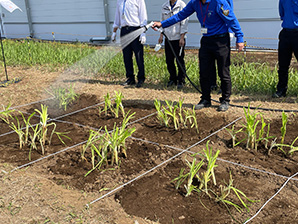
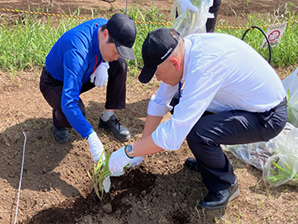
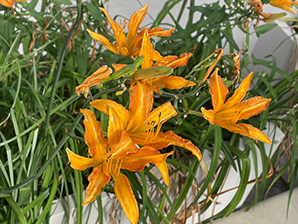
The plants propagated at these locations will be transplanted back to their native habitat in Koajiro Forest (Miura City, Kanagawa Prefecture) through the same NPO.
Furuya Metal remains committed to supporting the Hamakanzo Project and will continue actively promoting biodiversity conservation through these initiatives.
Control of invasive species through buffer green zones
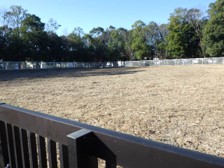
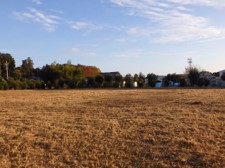
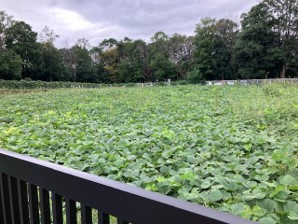
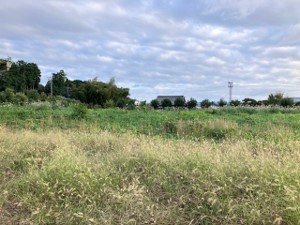
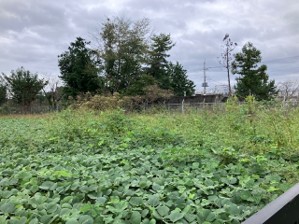
In July 2024, Furuya Metal acquired land adjacent to the Tsukuba Plant, effectively doubling the size of the site. Buffer green zones now account for over 10% of the total plant area.
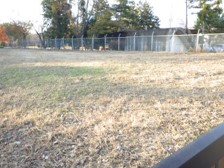
Maintaining these buffer zones is a key measure to prevent the spread of invasive species and minimize impacts on local ecosystems. At the Tsukuba Plant, regular weeding and disinfection are conducted to control the growth of non-native plants and preserve the surrounding environment.
before
after